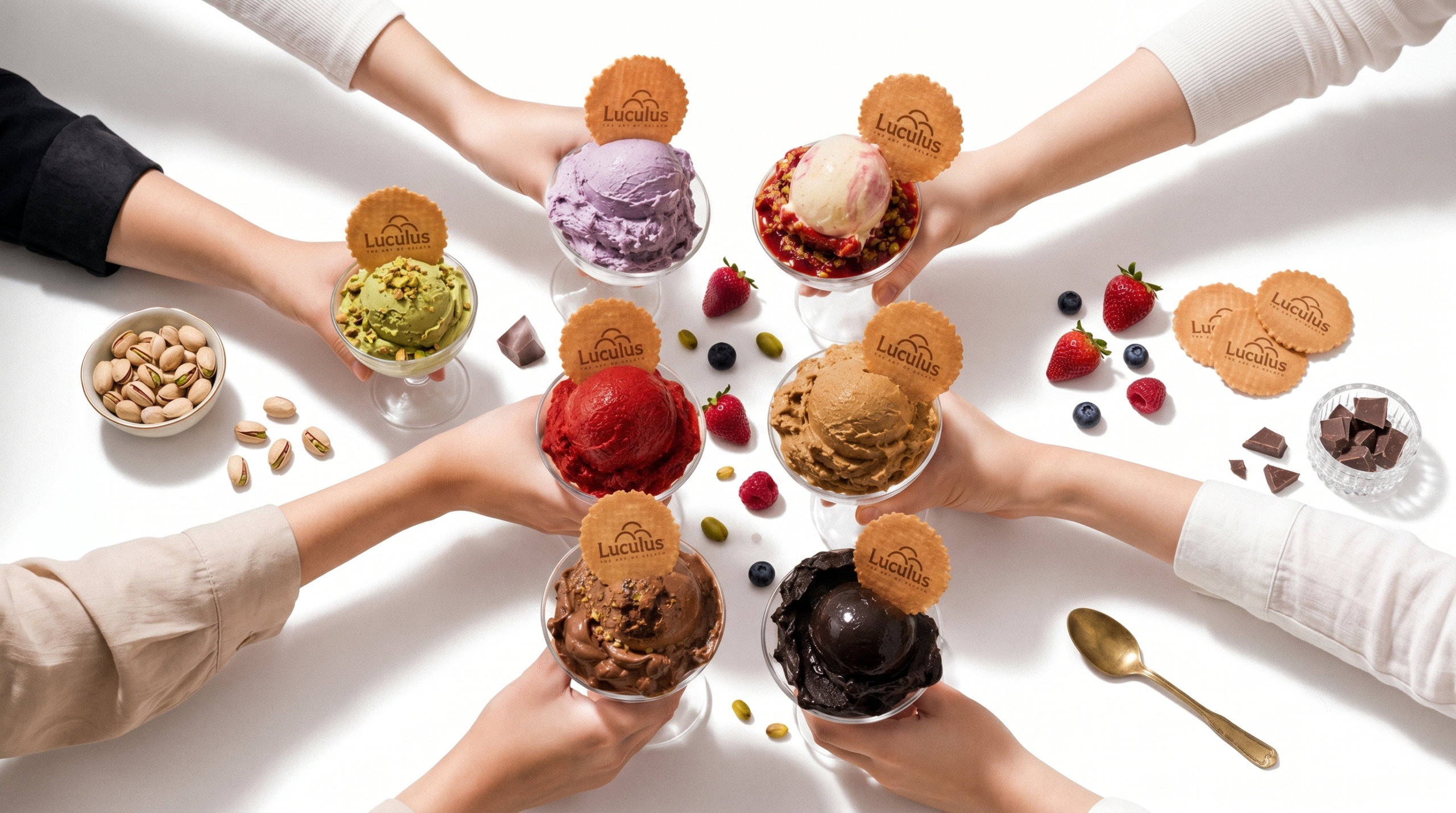
Every scoop of gelato tells a unique story, one that reflects centuries of Italian tradition and craftsmanship. This beloved dessert has roots that stretch back to ancient times, with some scholars tracing its origins to 3000 BC. However, it was the Sicilian chef Francesco Procopio dei Coltelli who truly brought it to life in the late 1600s when he opened Café Procope in Paris.
Fast forward to 1770, when Giovanni Bosio introduced this delightful treat to the United States, opening the first gelateria in New York. Today, there are nearly 1,000 gelaterias across the country, generating close to $300 million in sales annually. As we explore the rich heritage of this frozen dessert, we invite you to join us on a flavorful journey.
In this guide, we will uncover what makes gelato different from traditional ice cream, including the ingredients and the techniques that create its signature texture. You will learn how to identify authentic gelato and hear insights from master gelatieri dedicated to preserving this craft.

Key Takeaways
- Each scoop of gelato is steeped in history and tradition.
- Gelato differs from ice cream in texture and ingredients.
- Authentic gelato can be spotted with a few key tips.
- Insights from experts enhance our understanding of this craft.
- The gelato market in the U.S. is thriving and evolving.
A Rich Heritage: The Origins and Evolution of Artisanal Gelato
The story of gelato unfolds through centuries of culinary artistry and tradition. Some scholars trace its origins back to 3000 BC, when ancient civilizations harvested ice and snow from mountains to create chilled desserts. This early form of frozen delight laid the groundwork for what we now cherish as gelato.
The modern incarnation of this beloved dessert emerged thanks to Francesco Procopio dei Coltelli. In the late 1600s, this visionary Sicilian chef opened Café Procope in Paris, introducing gelato to the world for the very first time. His innovative recipes and techniques transformed simple ingredients into a creamy, flavorful treat that captivated the taste buds of many.
As we reflect on the evolution of gelato, we honor the generations of Italian gelatieri who have refined this craft. Techniques have been passed down from master to apprentice, turning gelato made with basic ingredients into an art form recognized around the globe.
The 20th century ushered in technological advancements, such as the Carpigiani gelato machine. Chef Andrea of L’Arte della Pasticceria recalls using an ancient stainless-steel model submerged in glycol, which could take up to an hour and a half to churn a single bin on hot summer days. These innovations have allowed for greater creativity and efficiency in gelato production.
Gelato first crossed the Atlantic in 1770 when Giovanni Bosio, an Italian immigrant from Genoa, opened New York City’s very first gelateria. This pivotal moment planted the seeds for America’s enduring love affair with this Italian dessert. Today, the United States is home to nearly 1,000 gelaterias, generating close to $300 million in annual sales. This reflects how deeply gelato has woven itself into the American culinary landscape.
We take pride in being part of this living heritage. Every gelateria that honors traditional methods contributes to a legacy that has been building for centuries and continues to evolve with each passing day. The annual Sigep trade show in Rimini, Emilia-Romagna, showcases this global phenomenon, bringing together the entire supply chain of gelato. It highlights how this once-regional Italian specialty has become a cherished dessert around the world.

What Makes Artisanal Gelato Unique: Ingredients and Craftsmanship
What truly sets gelato apart is the dedication to quality ingredients and traditional methods. We believe that the essence of a great gelato lies in its fresh, wholesome components. Our commitment to using only the best ingredients ensures that every scoop delivers authentic flavor without artificial preservatives or long shelf-life additives.
The Importance of Fresh, Wholesome Ingredients
We always start with fresh, wholesome ingredients because artisanal gelato is only as good as what goes into it. Unlike industrial ice cream, which relies heavily on cream and egg yolks, our gelato uses more milk than cream. This results in a naturally lower fat content that allows the true flavors to shine through.
How Gelato Differs from Ice Cream: Air, Fat, and Temperature
The numbers tell a clear story. The FDA requires ice cream to contain no less than 10% fat, and most commercial brands range from 14-25% fat. In contrast, authentic Italian gelato contains just 4-9% fat, making it a lighter, more digestible dessert. Additionally, we churn our gelato slowly, incorporating up to 70% less air than conventional ice cream. This is why every spoonful feels dense, velvety, and intensely flavorful.
Temperature also plays a crucial role in the gelato experience. We serve our gelato about 10 to 15 degrees warmer than American ice cream. This means your palate stays awake and receptive to every nuanced flavor instead of going numb from the cold.
The Small Batch Process and Its Benefits
The small batch process is at the heart of what we do. Each batch of gelato made in our laboratorio is crafted in limited quantities, meant to be enjoyed fresh within about three days. Chef Andrea of L’Arte della Pasticceria reminds us that traditional gelato-making takes time and patience. On the hottest summer days, an old Carpigiani machine could take up to an hour and a half to churn just one bin. This slow process is what builds the signature texture.
Beyond being a delicious dessert, our gelato offers genuine nutritional value. The milk base provides high-quality proteins and calcium, while natural sugars supply energy. You also get vitamins A and B2 along with phosphorus and essential minerals. We believe that when you taste gelato made this way, you immediately understand why it stands in a class of its own, far removed from mass-produced ice cream.
| Aspect | Ice Cream | Gelato |
|---|---|---|
| Fat Content | 14-25% | 4-9% |
| Air Incorporation | 30-50% | Up to 30% |
| Serving Temperature | 10-15°F | 7-12°F |
| Typical Ingredients | Heavy cream, egg yolks | More milk, less cream |

How to Identify Authentic Artisanal Gelato and Gelateria
When visiting a gelateria, knowing how to identify authentic offerings can enhance your experience. We want you to feel confident every time you walk into a gelato shop. With expert tips from Italian food authorities Gina Tringali and Elizabeth Janus, you can easily separate the real deal from the imitators.
Recognizing Natural Colors and Flavors
The first thing we always check is the color. Authentic gelato made with natural ingredients will never be neon-bright. For example, pistachio should be a muted olive-brown, strawberry a soft dusty pink, and banana should actually appear grey rather than sunny yellow. This subtlety is a sign of quality.
Ingredient Transparency and Seasonal Offerings
We encourage you to look for ingredient transparency when you visit a gelato shop. True artisans take immense pride in their sourcing and will either post their ingredient lists publicly or have staff eager to share every detail about what goes into each flavor. Seasonal offerings are another reliable indicator of authenticity. When you see peach gelato in the middle of winter or strawberry in December, it raises a red flag that artificial flavors may be at play instead of fresh, local fruit.
On-Site Production and Display Practices
Pay close attention to how the gelato is displayed. If you see towering, whipped peaks piled high above the rim of the freezer case, that gelato has likely been pumped full of air. Authentic slow-churned gelato should rest in covered, circular containers at a modest, dense level. We always recommend asking whether the gelato is made on-site in a dedicated laboratorio. As Michele Sbarigia of Venchi in New York City explains, a true gelateria artigianale must have a production lab where fresh gelato is crafted daily.
The best gelaterias source exceptional ingredients directly from Italy. Look for mentions of Pistacchio di Bronte, Nocciola IGP, or single-origin chocolates on the menu, as these indicate a commitment to quality that mass-produced shops simply cannot match. When you order, watch how your gelato is served: authentic Italian gelato is never scooped into hard, round balls but is instead served with a spatula in elegant, creamy waves that speak to its softer, warmer texture.
We believe that once you know these five simple checks—color, ingredient transparency, seasonal flavors, display practices, and on-site production—you will never again mistake industrial ice cream for the real gelato experience. Every time you step into a gelateria and apply these principles, you are not just choosing a dessert; you are supporting the artisans who dedicate their lives to preserving this craft, one small batch at a time, every single day.
| Indicator | What to Look For |
|---|---|
| Color | Muted tones; no bright colors |
| Ingredients | Transparency and local sourcing |
| Seasonal Offerings | Flavors matching local produce availability |
| Display Practices | Covered, circular containers |
| On-Site Production | Freshly made in a dedicated laboratorio |
Conclusion
Indulging in a scoop of frozen delight can be a truly enriching experience. We hope this journey through the art of gelato has deepened your appreciation for every scoop. The centuries of heritage and careful craftsmanship behind each small batch truly set it apart.
The differences between gelato and ice cream are not just technical details. They create a richer flavor experience with less fat and air, allowing you to savor every bite. As Chef Andrea of L’Arte della Pasticceria reminds us, enjoying gelato can even boost serotonin, the happiness hormone, especially when you take your time.
In Italy, gelato often replaces a full meal during hot summer months, showcasing its nourishing qualities. We invite you to seek out authentic gelaterias in your community, supporting a tradition that values quality and freshness. The next time you crave something sweet, skip the industrial ice cream and treat yourself to real gelato, made with passion and the finest ingredients.